
Kevin Winter is managing director of on:DesignVibes. He writes about brand identity, photography and social media, and about what actually works for businesses day to day.
All 3 articlesGood business photos are created before the shoot. If you know in advance what the pictures will be used for, who will be in front of the camera, and where the photos will be taken, you will get more usable shots in one day than others in three appointments.
This guide will lead you through the preparation: from the purpose of use, subjects, location, and clothing to the consents you need for employee photos.
„The most important list for a shoot is created at the desk: what each picture will be used for.“
What You Need the Pictures For
The first step is a list of places where the photos will later appear. Website, career page, LinkedIn profiles, press kit, presentation for offers, and social media each have different requirements.
For the website, you often need wide landscape formats with space for text. Instagram and TikTok work in portrait format. A portrait for the team grid should be structured identically for all individuals, meaning with the same crop, the same background, and the same lighting mood.
For each purpose of use, write down the format and the approximate number of pictures. This list is the most important document for the briefing, as the photographer will derive crops and the schedule from it.
Portrait, Team, Work Situation: The Subjects
Business photos can be roughly divided into four groups:
- Individual portraits for team page, contact persons, and profiles.
- Group photos of management, individual departments, or the entire team.
- Work situations that show how your company operates: at the screen, in the workshop, in conversation with clients.
- Details and spaces, such as tools, products, materials, or the reception area.
Portraits alone can quickly appear stiff on a website. Only work situations tell the story behind the faces. Therefore, plan time for each group and note specific scenes, for example, “Consultation at the meeting table” or “Assembly in Hall 2.”
Location and Light
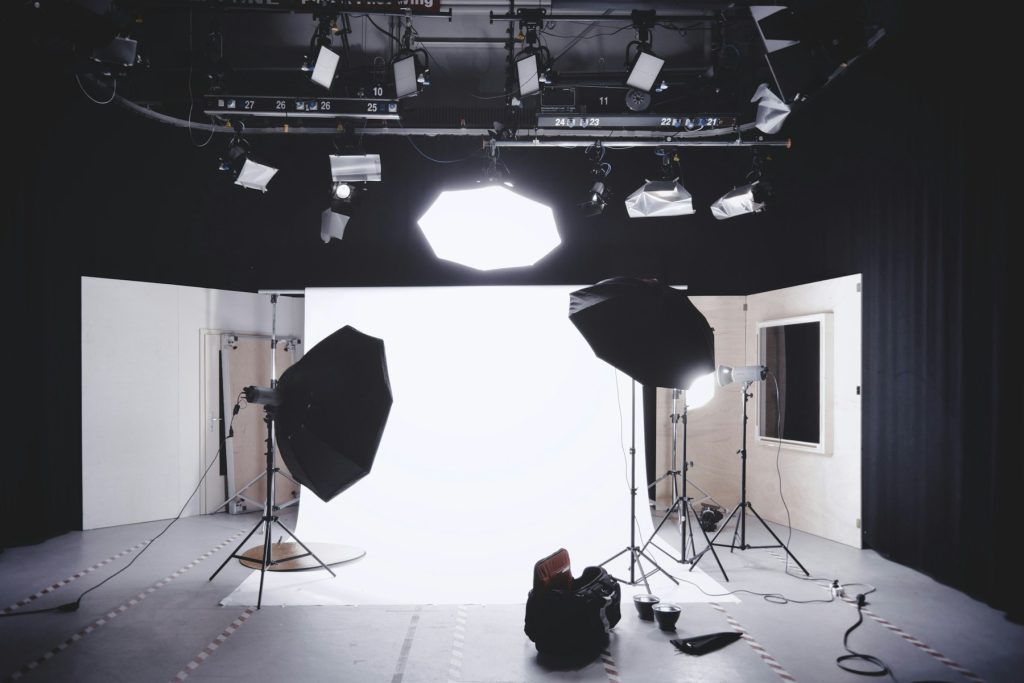
Photos are taken in a studio or at your location. The studio provides consistent light and a neutral background, which is practical for uniform portraits. On-location photos, however, create images that make your company recognizable.
Often, a combination makes sense: portraits with a mobile background and flash in a quiet room, followed by work situations in the actual premises. Scout the locations beforehand and pay attention to daylight, space for lights and tripods, and distracting elements like cables, notices, or full trash cans.
A brief site visit beforehand or a few cell phone photos of the rooms can save a lot of time on the shooting day.
Clothing and Styling
Clothing should match what clients see when they meet with you. Those who wear work clothes daily can also wear them in the photos.
For a harmonious overall look, a few rules help:
- Muted, solid-colored clothing appears calmer than fine stripes or small checks, which can shimmer in the image.
- A coordinated color palette for the entire team ensures that group photos fit together. The corporate colors from your Corporate Design are a good starting point.
- Bring a second top in case something doesn’t work or a different look is desired for a second scene.
- Bring clothes freshly ironed and without labels or name tags, unless they are intentionally part of the picture.
Whether a make-up service is useful depends on the scope. For many portraits in one day, it saves post-processing work in retouching.
The Process on the Shooting Day
A schedule with fixed slots prevents half the team from waiting in the hallway. For each individual portrait, several minutes should be planned depending on the requirements; work situations take significantly longer because setup and lighting change with each location.
This sequence has proven effective:
- Setup and light test while the team is still working.
- Individual portraits in fixed time slots.
- Group photos while everyone is still present.
- Work situations and spaces.
- Details, products, and additions from the subject list.
Designate a contact person in the company who opens rooms, calls colleagues, and clarifies questions about the subject list. If you need photos and short videos on the same day, plan both together. This saves a second appointment and ensures a consistent look.
Rights: Consent and Usage Rights
According to § 22 of the German Copyright Act on Works of Art (Kunsturhebergesetz), images of employees may only be distributed or publicly displayed with the consent of the person depicted. Obtain this consent in writing before the shoot and describe where the images will appear.
Consent can be revoked at any time according to Art. 7 Para. 3 GDPR. Use prior to revocation remains lawful. Therefore, plan how you will remove an image from the website and profiles after a revocation or an individual’s departure.
On the other hand, there are the rights to the photos themselves. According to § 31 of the German Copyright Act (Urhebergesetz), the author can grant simple or exclusive usage rights, restricted geographically, temporally, or in terms of content. If the types of use are not explicitly named, the purpose of the contract determines what is permitted. Therefore, record in writing what you intend to use the images for, for example, website, social media, print, and advertisements.
Note: This section does not constitute legal advice. For consent texts and contracts, please contact your data protection officer or a law firm.
After the Shoot: Selection, Retouching, Archiving
After the appointment, you will usually receive a pre-selection. Determine in advance who will make the final selection, and give each person portrayed the opportunity to approve their own image. This significantly increases acceptance within the team.
When retouching, the rule is: keep it natural. Skin blemishes, lint, and distracting reflections can be removed, but wrinkles and facial features remain so that clients recognize the person at the first meeting.
Finally, the images belong in a place everyone can find. A folder structure by purpose of use, clear file names, and a note on consents and usage rights prevent anyone from not knowing years later which image can be used where. For social media, it is worthwhile to enter the subjects directly into the editorial plan so that they appear spread out over months.
If you are planning a rebranding anyway, schedule the photoshoot after the new design. Then backgrounds, colors, and visual language will match the new appearance from the start.
Conclusion
A business photoshoot is successful if it is clear beforehand what the pictures will be used for. From purposes of use, subject list, and schedule, a day emerges where images for months are created. Written consents and proper archiving ensure that you can use the photos later without further queries.
Are you planning business photos for your team? Then let’s discuss subjects and the process together. The initial consultation is free and non-binding.
Business Photoshoot Checklist
This checklist guides you through preparing your business photoshoot. Sign up, confirm your address, and you’ll get access to the online version and the PDF.
No spam. Unsubscribe anytime.
Frequently Asked Questions
Frequently Asked Questions about Business Photoshoots.
That depends on the number of people and locations. Individual portraits are quick, but work situations in several rooms require significantly more time. A schedule with fixed slots makes the day plannable.
The studio provides consistent, uniform portraits. On-location photos show your company. Often, a combination makes sense: portraits with a mobile background, work situations in the actual premises.
Clothes you would wear for a client meeting, in muted, solid colors. Fine patterns can shimmer in the image. A second top for changing is advisable.
Yes. According to § 22 of the German Copyright Act on Works of Art (Kunsturhebergesetz), portraits may only be distributed with the consent of the person depicted. Obtain it in writing and state the planned places of use.
Consent can be revoked at any time. Clarify in advance how you will then remove images from the website and profiles, and note in your records where each image is used.
The copyrights belong to the photographer; you receive usage rights. The extent of these rights should be recorded in writing, for example, for website, social media, print, and advertisements.
Business Photography
Are you planning a business photoshoot?
We will discuss purposes of use, subjects, and the process with you and photograph on-site in Hamburg. The initial consultation is free and non-binding.
Kevin Winter is managing director of on:DesignVibes. He writes about brand identity, photography and social media, and about what actually works for businesses day to day.
All 3 articles
About this article
This article is part of our guide series on brand, image, and social media. Status: October 28, 2026. The legal notices do not constitute legal advice.
Sources
- Federal Ministry of Justice: § 22 Art Copyright Act (Kunsturhebergesetz) (accessed October 28, 2026)
- Federal Ministry of Justice: § 31 German Copyright Act (accessed October 28, 2026)
- Regulation (EU) 2016/679: Art. 7 GDPR, Conditions for Consent (accessed October 28, 2026)